
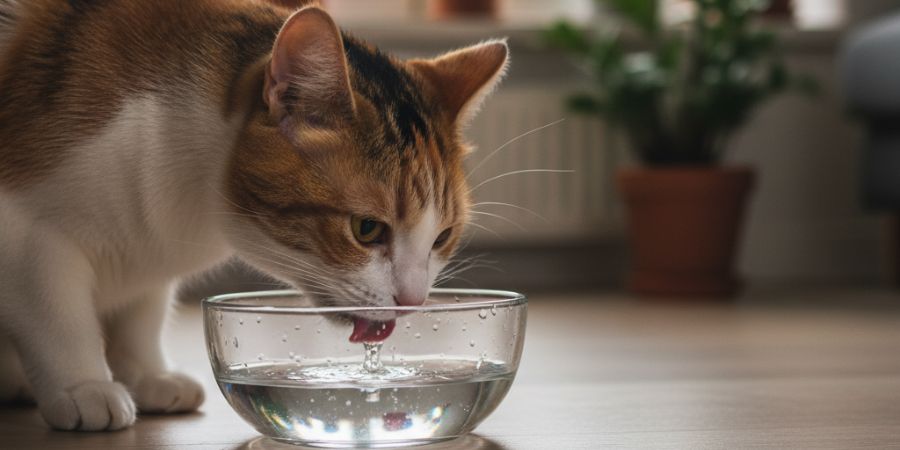
As cat owners, we know our feline friends are masters of disguise, especially when it comes to illness. The subtle shifts in their daily routine are often the only hints we get that something is amiss.
If you’ve recently found yourself constantly refilling the water bowl or noticing much larger clumps in the litter tray, your cat isn’t just quirky—they may be giving you the most important clues about their health.
These changes are key signs of diabetes in cats, a condition that is becoming increasingly common.
Key Takeaways
Why might a cat drinking excessive water be a concern?
Excessive water intake (polydipsia) can be one of the earliest signs of serious conditions like Feline Diabetes Mellitus, kidney disease or thyroid dysfunction.
What specific symptom often accompanies increased drinking in diabetic cats?
Increased urination (polyuria) along with weight loss despite a normal or increased appetite is commonly seen in diabetic cats.
How can an owner monitor whether their cat is drinking “too much”?
Keep track of water usage by measuring the bowl daily, watch for frequent litter-box visits or larger urine volume, and observe any other behavioural changes (e.g., lethargy).
Which underlying illnesses are commonly linked to a cat drinking a lot of water?
Beyond feline diabetes, key causes include chronic kidney disease, hyperthyroidism, medications, dry-food diets or diet changes.
What should you do if you notice your cat’s water intake has increased significantly?
Contact your vet promptly for diagnostic tests (blood glucose, urinalysis, kidney and thyroid screening) rather than waiting.

The Top Feline Diabetes Symptoms You Shouldn’t Ignore
Many owners begin their search with simple phrases like “cat drinking a lot of water” or “cat peeing a lot” (medically known as polydipsia and polyuria, respectively). While these can be signs of other issues, they are classic indicators of feline diabetes.
Here are the critical behavioral and physical signs to watch for:
- Excessive Thirst (Polydipsia): Your cat is drinking significantly more water than usual.
- Increased Urination (Polyuria): You are scooping the litter box more frequently, or the clumps are noticeably larger.
- Increased Appetite (but losing weight): This is a red flag! Searching for “cat losing weight but eating” often leads to a diabetic cat diagnosis. The body can’t use glucose for energy, so it starts burning fat and muscle.
- Lethargy or “Flatness”: A general lack of energy or being less playful than usual.
- Poor Coat Condition: A dull, unkempt, or oily coat.
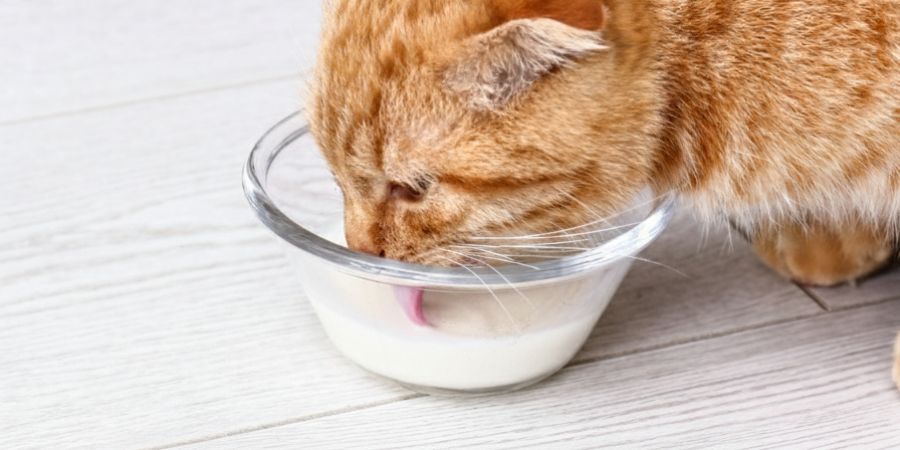
Why Early Detection and Treatment Matter
A diagnosis of cat diabetes can feel overwhelming, but the good news is that with early detection and the right approach, it is a very manageable condition.
Left untreated, high blood sugar levels can lead to severe health problems, including the life-threatening condition diabetic ketoacidosis in cats (DKA).
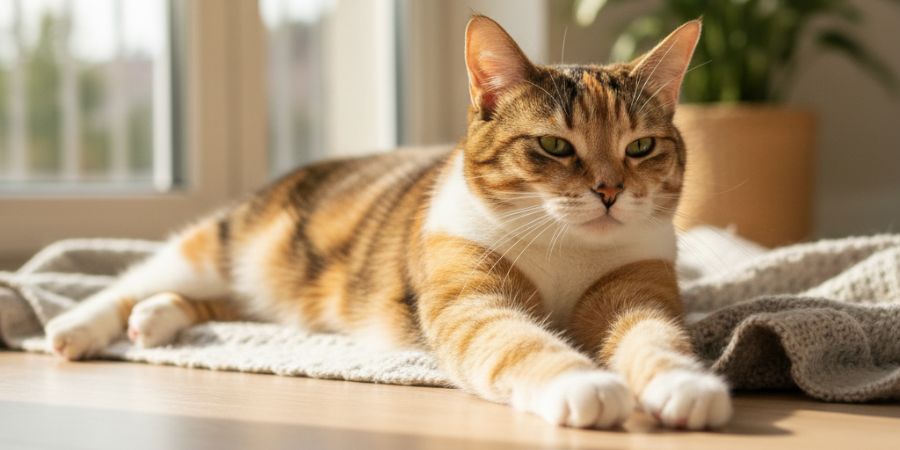
The Goal of Cat Diabetes Treatment
The ultimate goal of managing a diabetic cat is to normalize their blood glucose levels, eliminate those uncomfortable symptoms (like excessive thirst and urination), and, in many cases, aim for feline diabetes remission.
Treatment plans generally focus on two key areas that are heavily searched:
- Insulin Therapy: Most diabetic cats require regular insulin injections, like ProZinc or Glargine. Owners often look for guidance on “how to give cat insulin injection.”
- Diet Management: A crucial component is transitioning to the best low carb cat food for diabetes to help regulate blood sugar. A high-protein, low-carbohydrate diet is often recommended.
Is Your Kitty Showing Signs?
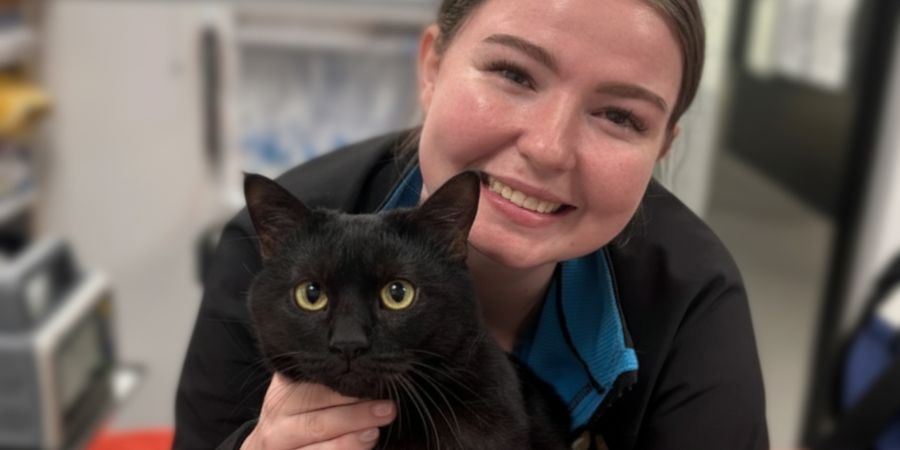
If you’re noticing any of these changes—from your cat constantly seeking out water to unexplained weight loss—don’t wait. Early intervention is the best chance for successful management and even remission.
Book a check-up with our Cat Friendly Gold Standard Accredited team today to get the clarity and expert care your cat deserves. Your Coombabah Vets are here to help you navigate the full spectrum of diabetic cat care, from initial diagnosis to long-term feline diabetes management.